






When snow doesn’t shut life down—it brings it alive
Winter in Canada isn’t a season you simply endure.
It’s a season you enter.
It’s a season you enter.
The air sharpens. Lakes freeze into mirrors. Cities glow warmer against the cold. And landscapes that look impressive in summer become otherworldly under snow and ice.
I’ve learned something about winter travel in Canada that surprises many first‑timers:
Some places don’t just survive winter—they become unforgettable because of it.
This guide isn’t about “things to do despite the cold.”
It’s about five Canadian destinations that are genuinely better in winter than any other time of year—for atmosphere, experiences, beauty, and emotion.
It’s about five Canadian destinations that are genuinely better in winter than any other time of year—for atmosphere, experiences, beauty, and emotion.
Whether you’re a nature lover, romantic traveler, photographer, family explorer, or simply curious about winter done right, these places show why Canada owns the season.
🌨️ Why Winter Is the Most Magical Time to Travel in Canada
Before we begin, let’s clear a myth.
Winter travel in Canada is not about suffering through snow. It’s about:
- Cozy interiors contrasting frozen exteriors
- Festivals designed for cold, not against it
- Wildlife encounters impossible in summer
- Landscapes that feel cinematic, silent, and pure
Canada doesn’t hide from winter. It celebrates it.
🏔️ 1. Banff & Lake Louise, Alberta
Where winter turns mountains into myth
Banff in summer is beautiful.
Banff in winter is transcendent.
Banff in winter is transcendent.
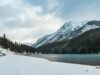
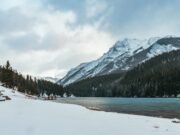
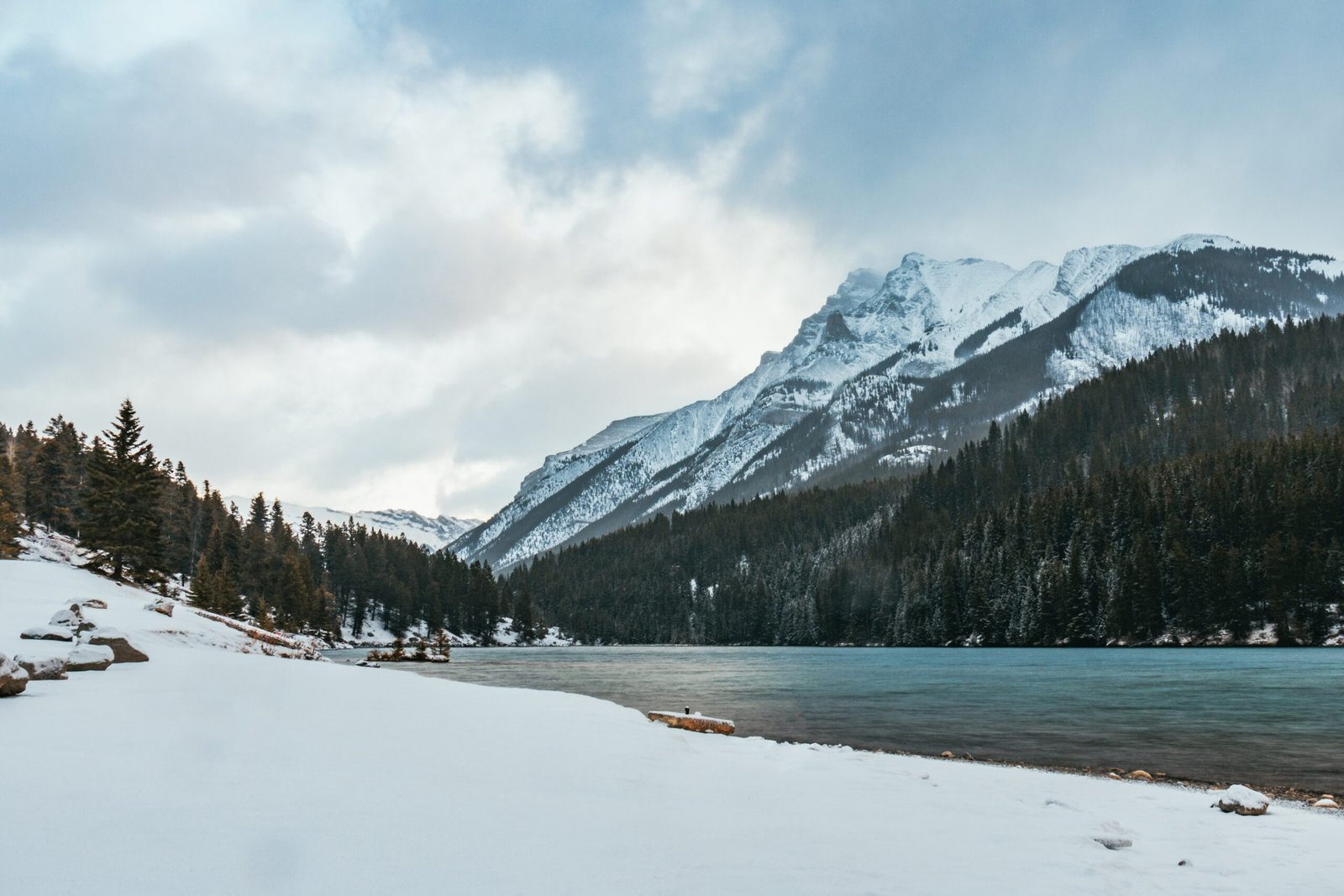
The Canadian Rockies under snow don’t feel like scenery—they feel like a different planet. Peaks sharpen, forests quiet down, and frozen lakes glow an impossible shade of blue beneath ice and snow.
Why Banff Is Better in Winter
- Frozen Lake Louise becomes a natural ice rink framed by glaciers
- Fewer crowds compared to summer
- Snow transforms hiking trails into serene snowshoe routes
- Ski resorts like Banff Sunshine & Lake Louise Ski Resort hit their prime
Winter also brings a stillness that summer never allows. You hear your breath. Your footsteps. The occasional crack of ice shifting beneath snow.
Winter Experiences You Can’t Replicate in Summer
- Ice skating on Lake Louise at sunrise
- Snowshoeing through silent pine forests
- Ice canyon walks in Johnston Canyon
- Sitting in the Banff Upper Hot Springs as steam rises into freezing air
Best time to visit:
December to March (January–February for peak winter magic)
December to March (January–February for peak winter magic)
Where winter travelers go wrong:
They pack only for warmth, not layers. Alberta cold is dry—layering is key.
They pack only for warmth, not layers. Alberta cold is dry—layering is key.
📸 Photography moment:
Lake Louise at dawn, before the wind touches the ice.
Lake Louise at dawn, before the wind touches the ice.
🌌 2. Yellowknife, Northwest Territories
Where winter reveals the universe
Yellowknife isn’t just better in winter.
It exists for winter.
It exists for winter.
This is one of the best places on Earth to see the Northern Lights, and winter gives you long, dark nights, clear skies, and frozen lakes that reflect auroras like glass.
Why Winter Is Essential Here
- Peak Aurora Borealis visibility
- Frozen Great Slave Lake becomes a glowing foreground
- Snowy landscapes amplify the light show
- Fewer mosquitoes (a very real bonus)
There’s something humbling about standing on a frozen lake at ‑30°C while green and purple lights ripple above you. It reminds you how small—and lucky—you are.
Unique Winter Experiences
- Aurora chasing tours
- Ice road driving experiences
- Indigenous storytelling around fires
- Snowmobiling across endless white terrain
Best time to visit:
Late November to March
Late November to March
Safety note:
Cold here is serious. Follow local guides, dress properly, and respect conditions.
Cold here is serious. Follow local guides, dress properly, and respect conditions.
📸 Photography moment:
Aurora reflected on cracked lake ice under a star‑filled sky.
Aurora reflected on cracked lake ice under a star‑filled sky.
🎭 3. Québec City, Québec
Europe, but winter makes it poetic
Québec City in winter feels like a living snow globe.
Cobblestone streets, stone buildings, glowing lamps, and snow piled softly along sidewalks—it’s romantic in a way summer never fully captures.
Why Winter Elevates Québec City
- Historic Old Town looks straight out of a fairytale
- Winter festivals bring the city to life
- Snow enhances architecture instead of hiding it
- Cozy cafés and bistros become destinations themselves
The cold slows you down here. You walk more deliberately. You linger longer indoors. And suddenly, the city feels intimate.
Winter Highlights
- Carnaval de Québec (one of the world’s largest winter festivals)
- Ice sculptures and night parades
- Tobogganing near Château Frontenac
- Warming up with mulled wine and poutine
Best time to visit:
Late January to February (festival season)
Late January to February (festival season)
Common mistake:
Only exploring daytime. Québec City at night in winter is pure magic.
Only exploring daytime. Québec City at night in winter is pure magic.
📸 Photography moment:
Château Frontenac dusted with snow at blue hour.
Château Frontenac dusted with snow at blue hour.
🐋 4. Churchill, Manitoba
Where winter brings the wild closer
Churchill is famous for polar bears—but winter reveals something deeper.
As the tundra freezes and Hudson Bay locks into ice, life adapts instead of disappearing. Wolves roam. Arctic foxes appear. And the silence becomes part of the experience.
Why Winter Is Special Here
- Snow transforms the tundra into a vast, glowing canvas
- Arctic wildlife stands out dramatically against white landscapes
- Northern Lights appear frequently
- Fewer visitors = more intimate encounters
Churchill doesn’t feel like a destination—it feels like an edge of the world.
Winter Experiences
- Arctic wildlife tracking tours
- Aurora viewing from heated tundra vehicles
- Dog sledding across frozen plains
- Learning from local Indigenous communities
Best time to visit:
February to March (aurora + wildlife)
February to March (aurora + wildlife)
⚠️ Important:
Always go with experienced guides—this is real wilderness.
Always go with experienced guides—this is real wilderness.
📸 Photography moment:
Arctic fox footprints across untouched snow under pink winter skies.
Arctic fox footprints across untouched snow under pink winter skies.
🌆 5. Montréal, Québec
Where winter becomes a lifestyle
Montréal doesn’t fight winter.
It designs itself around it.
It designs itself around it.
From underground cities to heated terraces and winter food festivals, Montréal shows how urban life can thrive in snow.
Why Montréal Shines in Winter
- Fewer tourists, more local life
- Winter festivals every month
- Food tastes better in the cold
- City lights reflect beautifully on snow
There’s an energy here—people moving confidently through cold, gathering indoors, celebrating the season instead of hiding from it.
Winter Experiences
- Igloofest (open‑air winter music festival)
- Ice skating at Old Port
- Exploring the underground city (RESO)
- Hot bagels and smoked meat after snow walks
Best time to visit:
January to early March
January to early March
Local tip:
Dress like locals—stylish, layered, and confident. It changes how you experience the city.
Dress like locals—stylish, layered, and confident. It changes how you experience the city.
📸 Photography moment:
Old Montréal streets glowing under fresh snowfall at night.
Old Montréal streets glowing under fresh snowfall at night.
🧠 Quick Comparison: Which Winter Destination Is Right for You?
| Travel Style | Best Winter Destination |
|---|---|
| Scenic Nature | Banff & Lake Louise |
| Northern Lights | Yellowknife |
| Romantic City | Québec City |
| Wildlife Adventure | Churchill |
| Culture & Food | Montréal |
🧳 How to Pack for a Canadian Winter (Without Overpacking)
- Insulated, waterproof boots
- Thermal base layers (more important than thick jackets)
- Down jacket rated for cold
- Gloves + liner gloves
- Neck warmer or scarf
- Lip balm & moisturizer (dry cold is real)
🚫 Common Winter Travel Mistakes in Canada
- Wearing cotton instead of thermal fabrics
- Ignoring wind chill
- Underestimating daylight changes
- Overplanning outdoor activities without rest time
🌍 Why Winter Travel in Canada Is Trending
In recent years, travelers have shifted toward:
- ❄️ Seasonal experiences over “perfect weather”
- 🌌 Aurora tourism
- 🧖 Wellness + nature combinations
- 🏙️ Cities designed for winter living
Canada fits this shift perfectly.
❓ FAQs: Winter Travel in Canada
Is winter travel in Canada safe?
Yes—if you dress properly and follow local advice.
Yes—if you dress properly and follow local advice.
Is it extremely expensive?
Not always. Winter often offers better accommodation deals (except festivals).
Not always. Winter often offers better accommodation deals (except festivals).
Is winter travel suitable for first‑time visitors?
Absolutely—cities like Montréal and Québec City are very beginner‑friendly.
Absolutely—cities like Montréal and Québec City are very beginner‑friendly.
✨ Final Thoughts: Winter Shows You Canada’s True Character
Summer shows you Canada’s beauty.
Winter shows you its soul.
Winter shows you its soul.
The silence of frozen lakes.
The warmth of people indoors.
The way light behaves differently against snow.
The warmth of people indoors.
The way light behaves differently against snow.
If you want a trip that feels transformative, not just enjoyable—winter is when Canada gives you its best.
👉 Save this guide, share it with someone who loves winter magic, and start imagining snow falling softly around your next journey.